
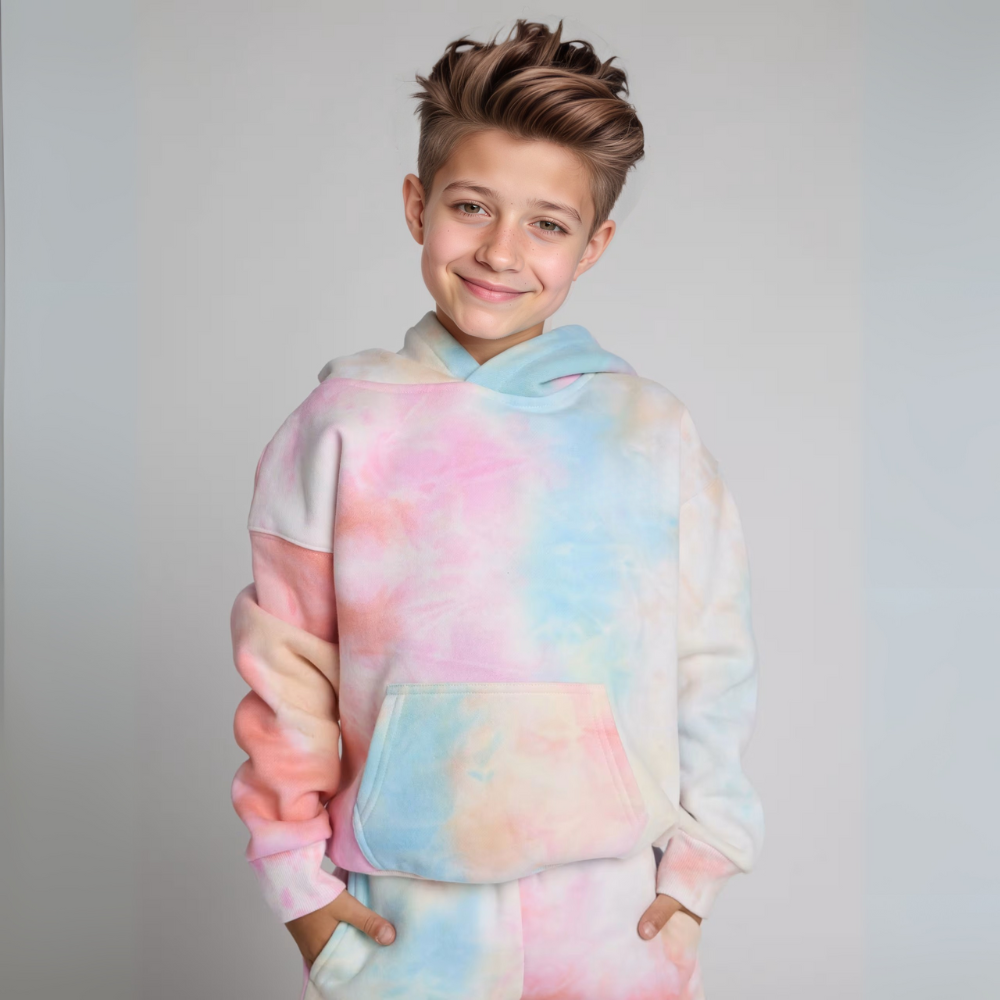
Quick answer: Measure the child, not the age label — height and foot length are the two measurements that matter most. Our catalog uses three different sizing systems (toddler shoe sizes 5C-4Y, T-sizes 2T-12T, and letter sizes XS-3XL) and no two product lines share an identical chart, so always check the specific product page before ordering, and size up when a child is between two sizes or still growing fast.
"What size do I order?" is the most common question in kids' clothing, with no single universal answer — there is no one universal kids' sizing system. Age on the label is a rough guess; real charts are built around height, weight, or foot length. Here is how to measure at home, plus an honest look at how sizing actually works across our own catalog.
How to measure a child at home
Basic measuring takes two minutes and beats guessing every time:
- Height: child stands flat against a wall, heels at the baseboard; mark the top of the head and measure floor to mark.
- Foot length: stand the child on paper, mark heel and longest toe, measure between marks. Evening is best — feet swell slightly over the day.
- Chest/bust: wrap a soft tape around the fullest part of the chest, under the arms, level and snug but not tight.
- Waist: measure around the natural waistline without pulling the tape tight.
Match your numbers against the specific product's chart rather than the child's age. This is general measuring guidance, not a substitute for the chart on the item you're buying.
Our catalog actually runs three different systems
This is the part that trips parents up: "size 4" means something different depending on what you're buying. Based on our own top-selling products, here is the landscape:
| System | Example range | Used for |
|---|---|---|
| Toddler/child shoe sizes (C/Y) | 5C through 4Y | Most sneakers, boots, clogs, slippers |
| T-sizes (toddler) | 2T through 12T, ranges vary by item | Pajama sets, jerseys, fleece jackets, the princess gown |
| Month-based (M) | 3M-6M through 24M | Baby items, some vests and bodysuits |
| Letter sizes (polos) | XS through 3XL | Polos |
| Letter sizes (hoodies) | XS through XL | Hoodies |
A single garment often covers only part of a range — our Classic Sleeveless Vest spans 3M-6M to 7T in one chart, while the Casual Kids Hoodie uses letter sizes XS-XL only. No single conversion table works for both, which is why we say: check the item.
Charts have gaps — check for them
Worth knowing before you assume a size ladder is continuous: some best-selling T-sized items skip sizes. The Kitty pajama set and dinosaur glow set jump from 5T to 7T to 9T to 11T — no 6T, 8T, or 10T. The Starlit Princess Gown runs 3T-7T then jumps to 9T with no 8T. If a measurement lands in a gap, size up rather than down — extra room a child grows into beats a size that's already snug.
The one real inch-chart we can show you
Most items publish a size grid without spelling out every measurement in the article text, but the princess gown listing is a useful example of a real chart, with exact inches for height, bust, and dress length per size. We covered the full table in our dress-up and occasion wear guide — worth a look to see a genuine size-to-inches mapping in action.
When to size up on purpose
A few situations where the next size up is a reasonable default, as general guidance:
- The measurement falls almost exactly between two sizes.
- The item is for a season still weeks away, with growth likely before then.
- The chart has a gap and the smaller listed size is a close call.
- The garment layers over other clothing, like the fleece zip jacket or insulated snow bib, where extra room fits a sweater underneath.
Sizing down on purpose is riskier and rarely worth it — a snug fit today is a too-small fit within weeks for most growing kids.
Shoes deserve their own five minutes
Foot length matters more than the number on the box, and it's worth re-measuring every few months since feet grow in bursts. Several shoe lines — sneakers, clogs, boots, slippers — share the same 5C-4Y range, so one measurement applies across most of our footwear at once. Still confirm on each product page, since fit can vary slightly by style.
Frequently asked questions
Is age on the label a reliable way to pick a size?
Not reliably. Age is a rough average, and actual charts are built around height, foot length, or weight. Measuring your child directly and checking the specific product's chart is more accurate.
Do all your kids' clothes use the same size system?
No. Our catalog includes toddler/child shoe sizes (5C-4Y), T-sizes (2T-12T), month-based baby sizes, and letter sizes (XS-3XL), depending on the product category.
What should I do if my child's measurement falls in a gap between sizes?
As a general rule, size up. A slightly roomy fit a child grows into is usually preferable to a size that's already snug at purchase.
How often should I re-measure a growing child?
There's no fixed schedule, but re-measuring every few months - especially before ordering shoes or seasonal items - helps catch growth spurts before you order the wrong size.
What if the size I ordered doesn't fit?
Returns are accepted when requested within 30 days from delivery, and approved refunds are issued within 10 business days. See our shipping policy page for details.
More from the Children Cloth Shop blog
- Dress-up and occasion wear — princess gowns and party outfits
- Kids backpack fit guide — straps, size, and school readiness
- Budget finds — dressing kids without overspending
- Shop kids' sets, 3M-14T
Measuring guidance above is general information, not a substitute for the size chart on the specific item you are buying - charts vary by product. Prices and details are current as of publication; see each product page for the latest, and our shipping policy for delivery information.